Fire Door Specialist
Fire Doors Fitted
To Actually Work.
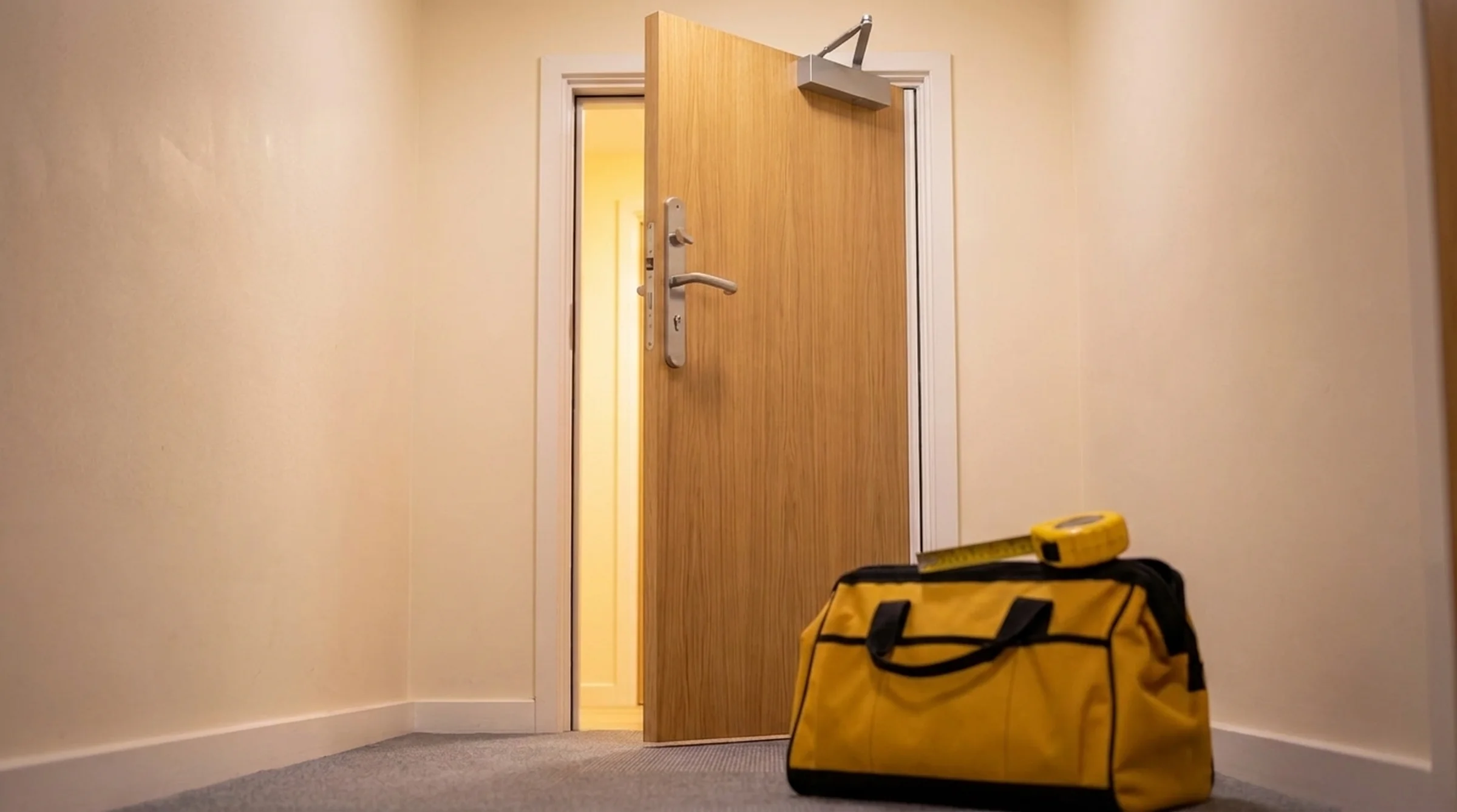
A fire door only does its job if every part of it is correct — the door, the seals, the hinges, the closer. We supply and install FD30 and FD60 fire doors across Sutton, London & Surrey, fitted to the standard your Fire Risk Assessment requires.
Why Specification Matters
Four Details, All Or Nothing
A fire door is a certified system, not just a heavier door. Miss one element — the wrong strip, the wrong hinge, a closer that doesn't fully latch — and the certification is void even if the door itself is genuine FD30 or FD60. We fit every element correctly, every time.
Correct Intumescent Strips
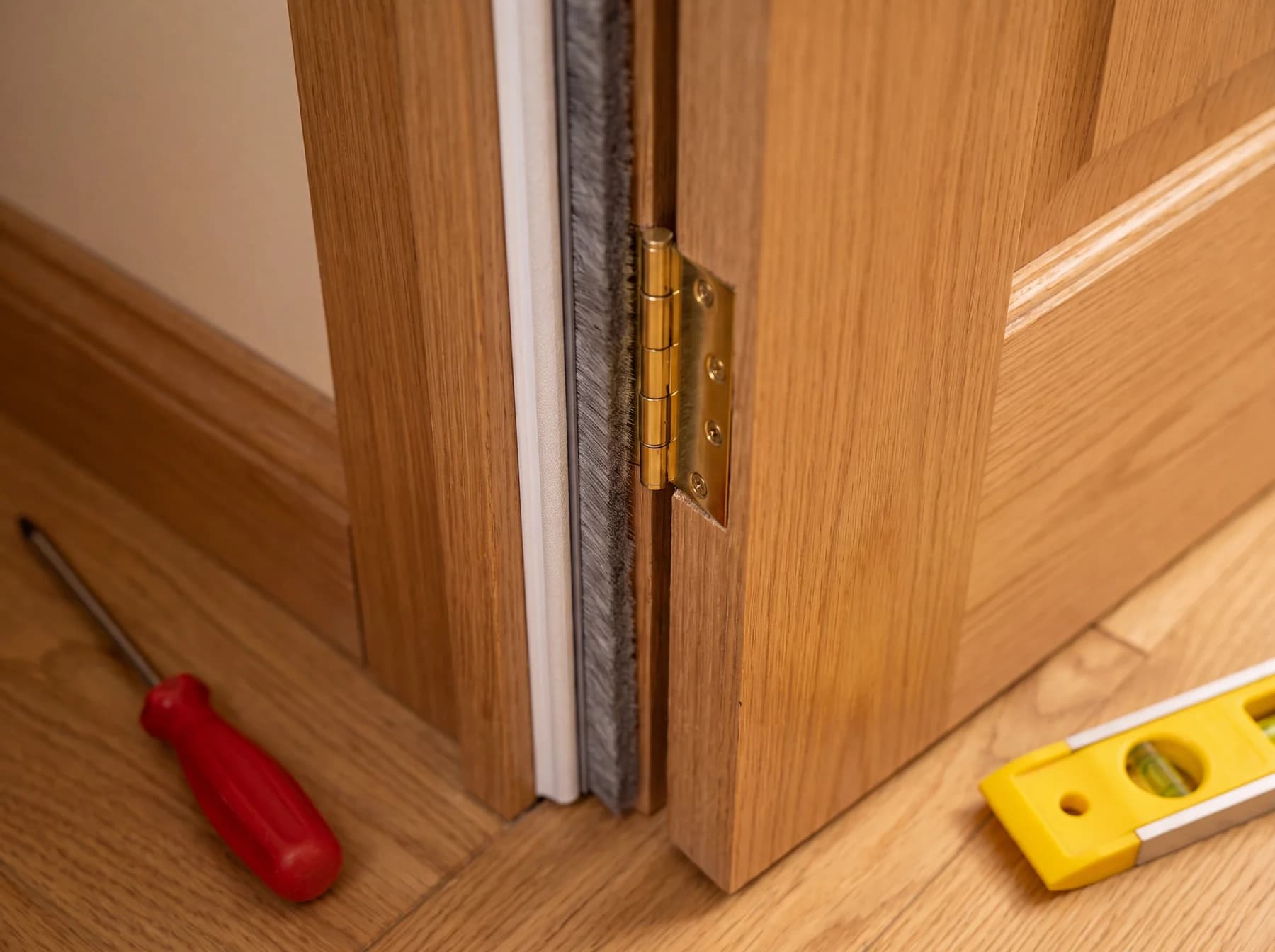
Expands under heat to seal the gap between door and frame — fitted to the exact rebate depth the certification requires, not a generic retrofit strip.
Smoke Seals
Brush or fin seals fitted around the full perimeter to stop cold smoke spreading well before flame ever reaches the door.
Certified Hinges & Hardware
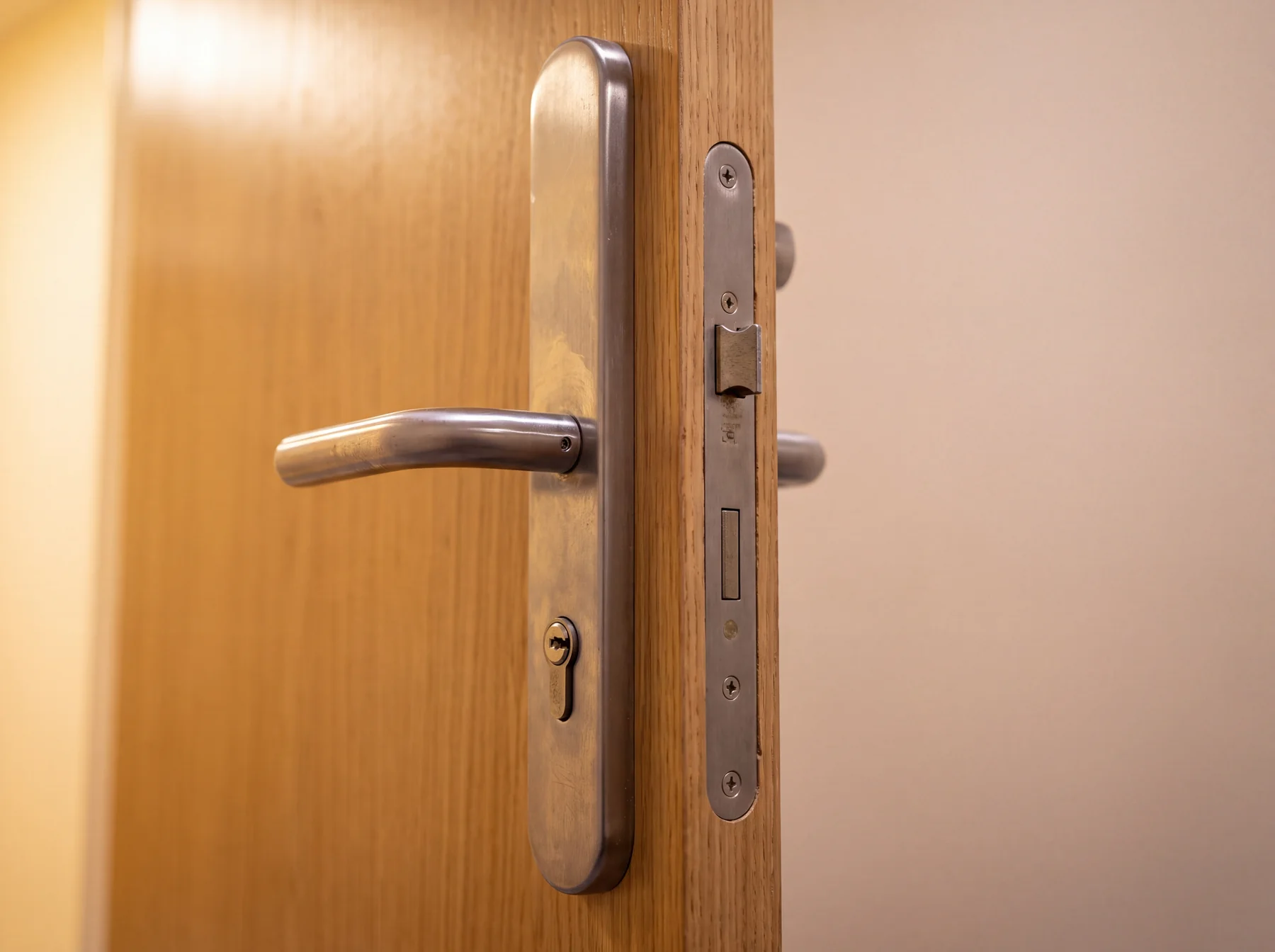
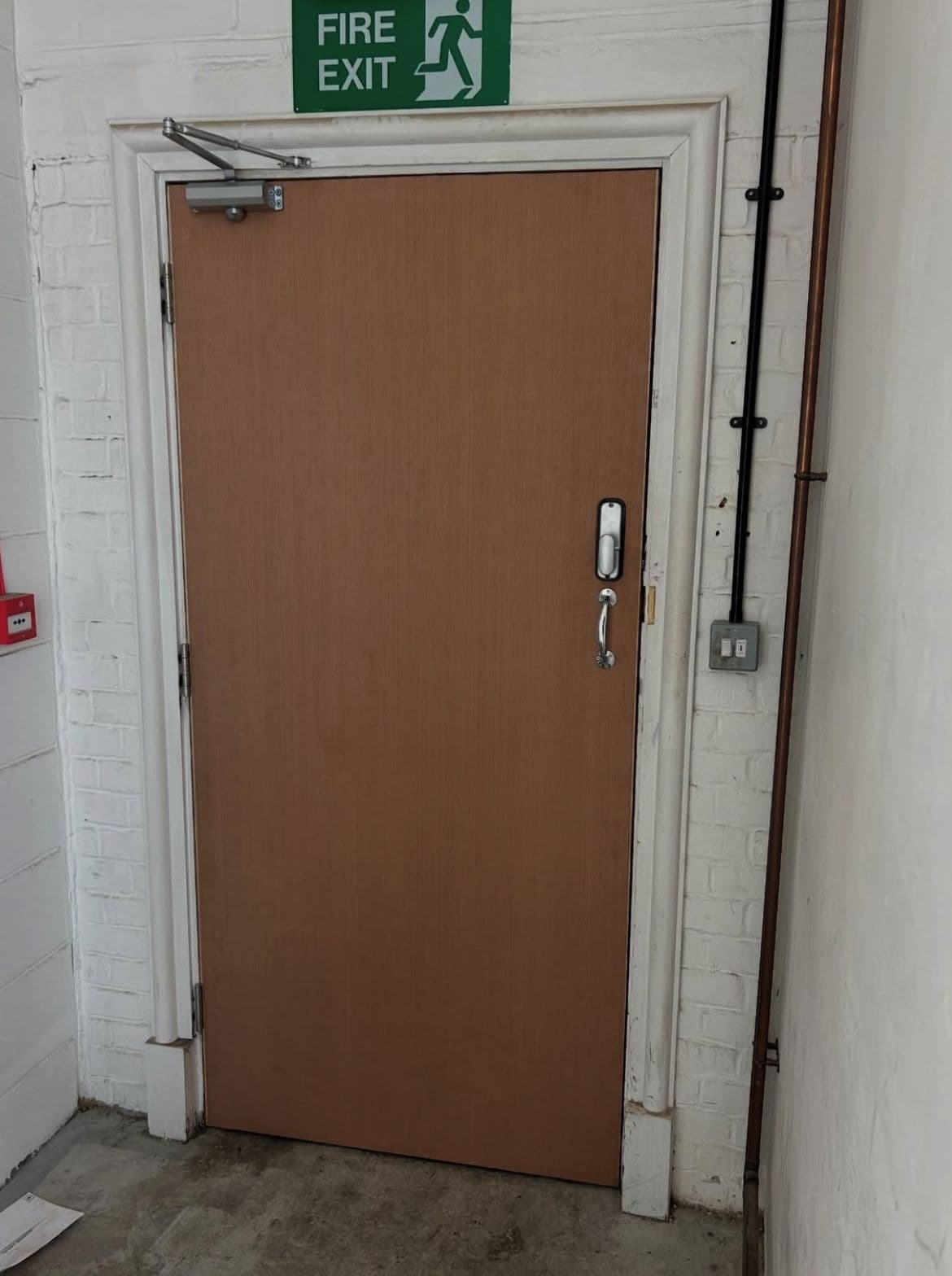
Fire-rated hinges, latches and door closers only — the wrong ironmongery invalidates the certification even on a genuine FD30/FD60 door.
Self-Closing Devices
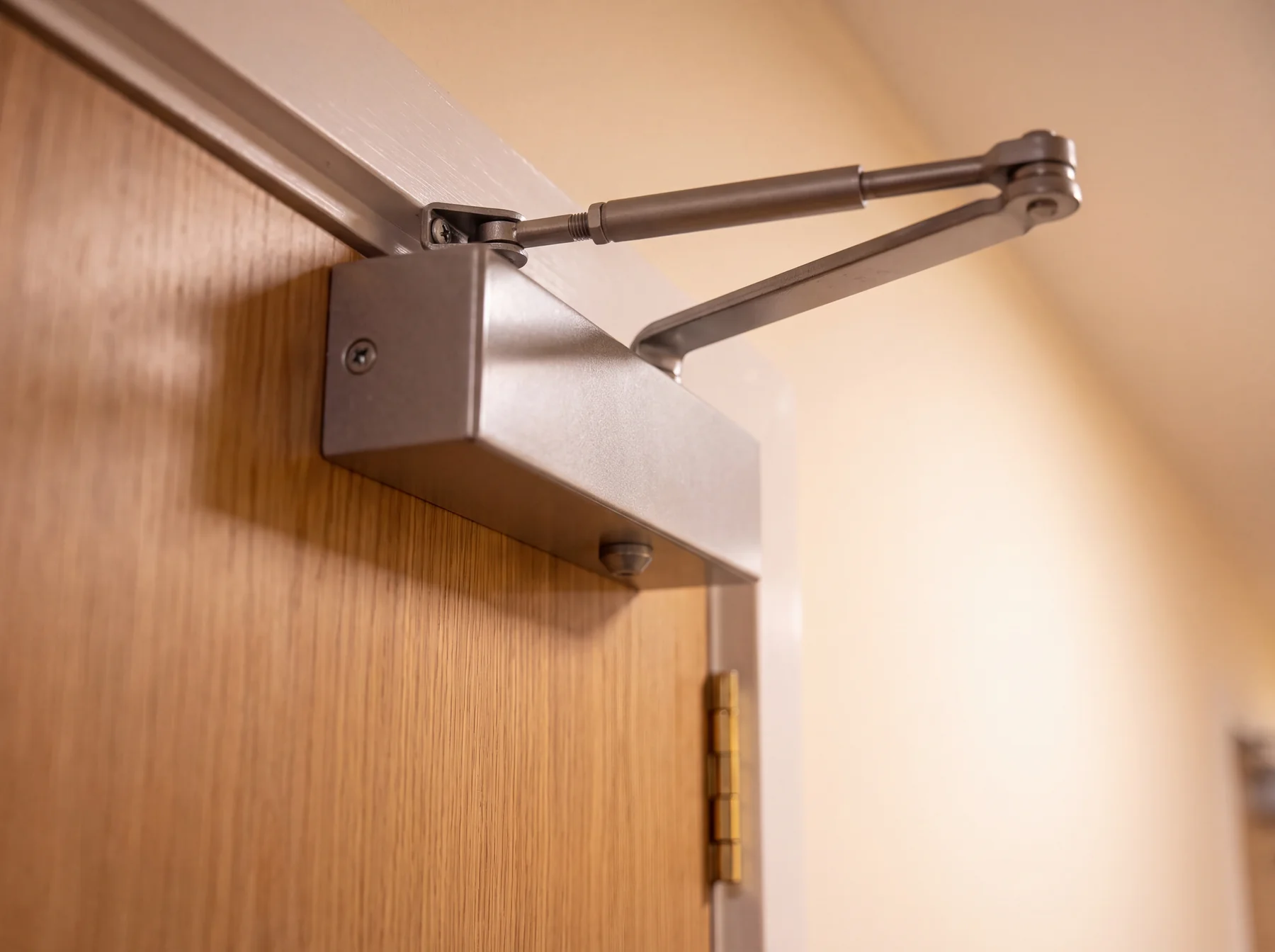
Correctly adjusted overhead closers so the door reliably latches shut on its own — a requirement, not an optional extra.
Seal & Hinge
Door Closer
Lock & Handle
What We Do
Fire Risk Assessment follow-up — we fit exactly what your FRA specifies, no guesswork
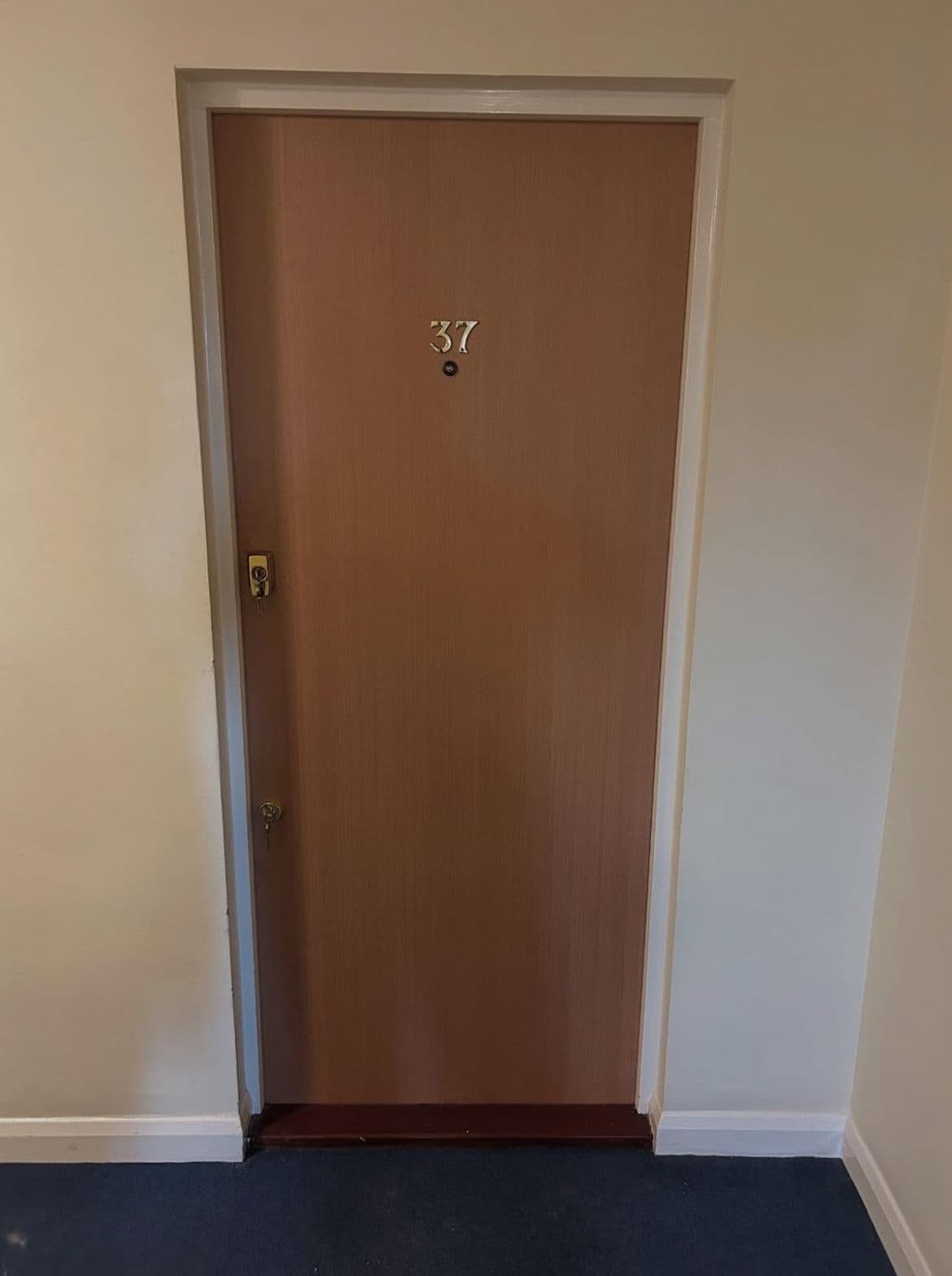
FD30 and FD60 oak veneer, flush and glazed fire doors, supplied and fitted
Correct intumescent strips and smoke seals to the door's certification
Fire-rated hinges, latches, closers and vision panels where specified
Landlord, HMO and communal-area compliance across flats and converted properties
Snagging and adjustment included until the door closes and seals correctly
Landlords & HMOs
If a Fire Risk Assessment has flagged your communal or flat entrance doors, we'll fit exactly what it specifies — FD30 or FD60, correct ironmongery, correctly closing — and leave you with a door that will actually pass re-inspection.
Why This Matters Now
Since Grenfell, Fire Doors
Aren't Optional Anymore.
The Grenfell Tower fire in 2017 exposed how badly things can go wrong when fire doors don't perform as designed — investigators found doors that failed to self-close properly, with seals missing, damaged, or never fitted to specification in the first place.
Since then, fire door compliance has stopped being a box-ticking exercise. Landlords and building owners now carry a direct legal duty to inspect and maintain them — and a fire door that looks right but isn't specified or fitted correctly gives a false sense of security that regulators are actively checking for.
Fire Safety Act 2021
Confirmed flat entrance doors fall within scope of the Fire Safety Order in any building containing two or more sets of domestic premises — not just communal doors.
Fire Safety (England) Regulations 2022
Introduced a legal duty for Responsible Persons of high-rise residential buildings (11m+) to inspect all communal fire doors quarterly, and flat entrance fire doors at least annually.
Building Safety Act 2022
Created the Building Safety Regulator and a stricter accountability regime for higher-risk buildings, with fire door condition and record-keeping directly in scope.
Fire door condition is now one of the most common failure points flagged in Fire Risk Assessments across London & Surrey. We fit doors — and the seals, hinges and closers that go with them — to actually pass inspection, not just look the part.
Free Estimate
Got a Fire Risk Assessment to act on?
Sonny visits, confirms the exact specification required, and quotes before anything is ordered.